Turning Ideas into Action: How Professional Event Planners Enhance Your Non-Profit Charity Functions
Event coordinators act as vital allies for non-profits, transforming abstract visions into tangible outcomes. Their knowledge closes the divide between event coordination, partner relationships, and conceptual innovation. Through implementing thoughtful financial planning and utilizing social media platforms, they enhance fundraising efforts and community engagement. However, the journey from concept to execution is intricate. Recognizing how to identify the best organizer and deploy successful approaches can profoundly affect an event's results. What components will finally shape that accomplishment?
The Function of Event Planners
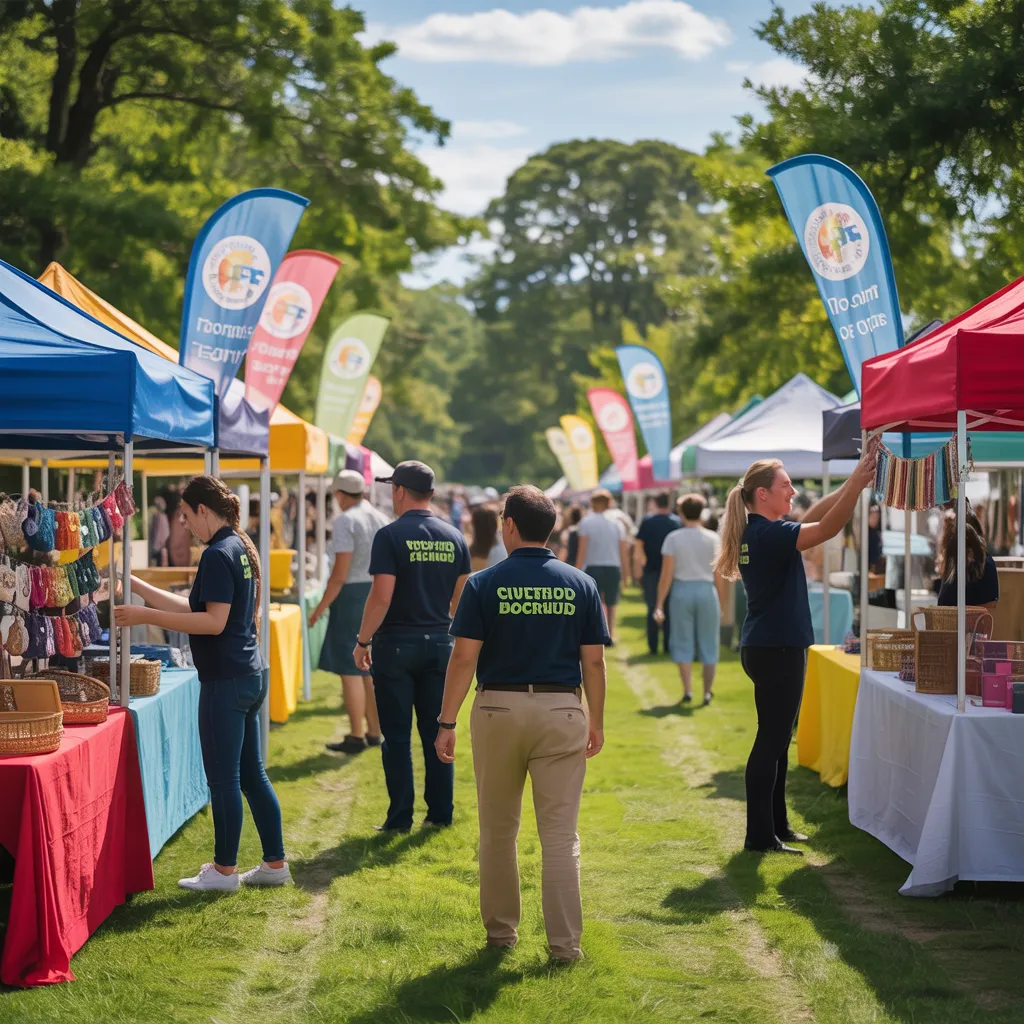
Event organizers function as the backbone of non-profit fundraising events, coordinating every aspect to ensure success. Their primary responsibility involves understanding the mission and vision of the organization, converting these into a comprehensive event approach. They handle arrangements, encompassing venue selection, catering, and audiovisual elements, ensuring that all elements align with the event's goals.
Additionally, event planners are adept at budgeting, enabling organizations to make the most of their resources while reducing costs. They cultivate relationships with vendors and sponsors, arranging contracts that align with the charity's financial objectives.
In addition to operational responsibilities, they also focus on marketing the event, leveraging online and offline channels to boost participation and interaction. By coordinating volunteers and staff, they create an efficient team dynamic, guaranteeing seamless execution on the day of the event. Ultimately, the role of an event planner is vital in elevating the total effectiveness and achievement of charitable nonprofit gatherings.
Finding Your Event Planner
How does a non-profit organization make certain it finds the most suitable event planner for its charity event? The process of selection starts with finding planners who possess experience within the non-profit sector. Non-profit organizations ought to review portfolios and case studies in order to gauge prior achievements and pertinent expertise. Engaging in conversations with potential planners allows for insights into their understanding of non-profit goals and values.
Additionally, groups should seek suggestions from colleagues or professional networks to establish credibility. Speaking with applicants about their approach to planning, problem-solving strategies, and goals for the occasion can highlight a good fit. Budgetary concerns are just as essential; organizers should present straightforward cost structures that suit the charity's fiscal parameters. Lastly, reviewing communication methods is key—effective collaboration depends on clear and open dialogue. By methodically examining these criteria, a non-profit can decisively appoint an event coordinator who will effectively elevate its philanthropic gathering.
Powerful Themes That Resonate
What elements make a theme truly compelling for a charity event? A successful theme resonates with the audience and aligns with the mission of the non-profit. It should evoke emotion, sparking interest and engagement among attendees. To illustrate, a "Masquerade Ball" can cultivate a sense of wonder, inspiring guests to engage through memorable shared experiences.
In addition, themes ought to be visually compelling, enhancing the overall ambiance and making the event memorable. Incorporating interactive elements, like interactive displays or live art, can further captivate participants.
Additionally, a carefully chosen theme can simplify the overall planning process, informing decisions concerning decor, food, and entertainment. By making sure that all components of the event represent the selected theme, event planners can develop a cohesive experience that amplifies the organization's message. Ultimately, a captivating theme not only draws attendees but also fosters a deeper connection to the purpose, inspiring generosity and support.
Smart Budgeting for Charity Events
An engaging theme establishes the atmosphere for a charity event, but proper budgeting secures its successful implementation. Strategic budgeting demands a detailed analysis of both fixed and variable costs, ensuring that every dollar contributes to the event's goals. Event planners often recommend establishing a clear budget framework that includes facility costs, catering services, promotional efforts, and entertainment.
Prioritizing spending is essential; organizers recommend pinpointing key components that support the event's purpose. Additionally, exploring in-kind donations and corporate sponsorships can substantially cut costs, freeing up additional budget to be allocated toward the primary objective.
Consistent budget evaluations during the planning phase can help mitigate financial surprises. By maintaining transparency with stakeholders regarding expenses, stronger trust and teamwork can develop. In the end, thoughtful financial planning not only view details strengthens the event's effectiveness but also solidifies the organization's reputation, guaranteeing that attendees recognize the value of their support.
Efficient Logistics Management
Proper logistics coordination is critical for the success of charitable non-profit events. This involves efficient venue coordination, streamlined vendor partnerships, and timely schedule management to guarantee that every detail aligns seamlessly. By focusing on these key factors, event planners can create a smooth experience that enhances the overall impact of the event.
Efficient Venue Coordination
Although securing the right venue is essential for a successful charity event, effectively managing logistics can determine the success or failure of the entire experience. Successful venue coordination requires careful planning, from spatial arrangement to ease of access. Event organizers must ensure that the venue can host the anticipated number of guests while enabling unobstructed traffic flow across the event. Adequate signage, organized seating, and dedicated spaces for check-in and activities are essential for improving attendee participation. Moreover, consistent communication with venue team members is key to resolving any unanticipated problems. By managing these logistics seamlessly, event planners can create an inviting atmosphere that allows guests to focus on the event's mission, ultimately leading to greater fundraising success and community involvement.
Optimized Vendor Partnerships
In addition, pre-arranged vendor agreements often generate meaningful cost savings, which is critical for non-profit financial planning. A strategically organized vendor network also promotes creative solutions, as planners can tap into the unique resources and ideas of each partner. At the core, well-managed vendor relationships establish a unified and polished environment, greatly contributing to the event's success and the organization's overall objectives.
On-Time Schedule Management
When managing a non-profit charity event, punctual scheduling is essential to guarantee efficient event flow. Event coordinators must create a comprehensive schedule that covers all elements of the event, from vendor arrivals to guest check-ins. This careful preparation limits the possibility of disruptions and guarantees that all team members are aligned with their responsibilities. Routine updates and briefings help everyone remain up to date, facilitating fast solutions when unplanned situations emerge. In addition, a properly designed schedule incorporates assembly and breakdown durations, confirming the venue is adequately set up for participants. With a commitment to disciplined time management, event planners can enhance the overall experience, optimizing involvement and contributions to the nonprofit's goals while fostering a smooth execution of the event.
Creative Engagement Strategies for Charity Events
Innovative involvement strategies can substantially elevate the attractiveness of philanthropic events. Incorporating engaging fundraising initiatives, curated event themes, and effective social media strategies can nurture stronger relationships with participants. These strategies not only drive attendance but also strengthen the overall impact of the gathering.
Dynamic Fundraising Activities
Involving participants in fundraising events calls for imaginative thinking, and interactive fundraising activities can turn standard gatherings into dynamic experiences. These activities not only encourage community engagement but also encourage participants to contribute actively. Options such as real-time auctions, where attendees compete for exclusive items, or participatory games that incorporate donation incentives can greatly enhance engagement. Moreover, utilizing modern technology, like digital applications for instant fundraising tracking, allows for immediate participation. Activities, such as walkathons or scavenger hunts, can also energize participants while generating donations. By integrating these engaging components, event planners cultivate an enjoyable atmosphere that not only generates funds but deepens relationships among participants, ultimately maximizing the effect of the charity event.
Specialty Themed Event Experiences
Developing themed event concepts can significantly enhance the atmosphere of charitable events. By selecting a cohesive theme, organizers can develop engaging atmospheres that resonate with attendees. Ideas like costume galas, retro markets, or heritage celebrations can boost participation and foster a sense of community. Creative embellishments, outfits, and events aligned with the theme can spark discussion and encourage participation. To demonstrate, a \"Jazz Age\" theme might showcase swing music, vintage decorations, and era-appropriate beverages, producing a lasting impression. Moreover, themed events can guide fundraising strategies, with bidding opportunities and contribution efforts aligned with the concept. Ultimately, a carefully planned motif not only captivates but also enhances the personal bond with the mission, ultimately enhancing the gathering's effectiveness.
Strategies for Social Media Engagement
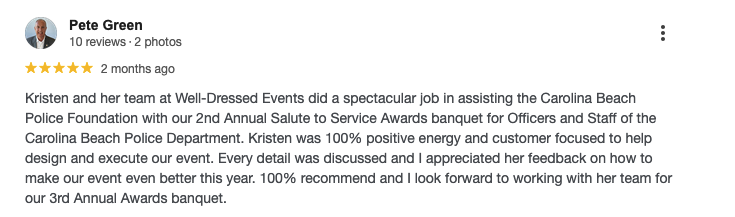
Leveraging the potential of social media can significantly boost the reach and impact of charity events. Organizers can leverage platforms like Instagram, Facebook, and Twitter to generate excitement leading up to and following events. Compelling content, such as real-time streaming, exclusive behind-the-scenes footage, and live updates, keeps audiences involved. Integrating interactive elements, like polls or hashtag campaigns, encourages attendees to share their experiences, fostering community engagement. Moreover, producing shareable visuals and marketing videos can boost online presence. Following the event, organizers should solicit feedback and testimonials from attendees, enabling natural content sharing and building lasting relationships. By leveraging these strategies, event planners can transform social media into a powerful tool for improving charity events and expanding their audience.
How to Determine Event Success
In what ways can event planners successfully gauge the effectiveness of a non-profit charity event? Although measures of success can differ, several critical indicators deliver valuable perspectives. First, financial outcomes are vital; coordinators should measure the revenue generated relative to the objectives defined ahead of the event. Next, attendee feedback is essential; post-event surveys can gauge satisfaction and engagement levels. Furthermore, social media data, encompassing shares, likes, and comments, can demonstrate the event's broader reach and its influence within the community.
Additionally, analyzing the volume of new supporters or volunteers secured during the occasion can suggest long-term engagement potential. One more critical aspect is media coverage, as enhanced visibility can strengthen the standing of the organization. Lastly, coordinators should review the overall logistical performance, including actual attendance rates versus registration numbers. By merging these key metrics, event coordinators can gain a thorough understanding of the event's overall success and recognize opportunities for future enhancement.
Frequently Asked Questions
How Do I Find Volunteers for My Charity Event?
To secure volunteers for a charity event, individuals can take advantage of volunteer organizations, social media, and local community boards. Moreover, engaging with schools and universities frequently produces motivated participants eager to share their time and expertise.
What Permits Do You Need for Hosting Charity Events?
When organizing charity events, organizers typically need permits such as special event permits, alcohol licenses, and permits for outdoor gatherings. Rules and requirements change based on your area, so checking with local authorities is vital for ensuring compliance and smooth event coordination.
How Can I Promote My Charity Event Effectively?
To promote a charity event effectively, one must make use of social media platforms, engage local media, collaborate with influencers, develop visually compelling graphics, and encourage word-of-mouth while offering incentives for attendance and participation.
What Are Common Pitfalls to Avoid During Charity Events?
Common pitfalls during charity events include poor preparation, unsuitable venue choices, lack of promotion, overlooking donor appreciation, and inadequate volunteer involvement. Tackling these challenges can significantly improve the event's impact and overall outcome.
How Can I Follow up With Donors Following the Event?
Connecting with donors after an event entails showing thankfulness through customized emails or handcrafted messages, highlighting memorable aspects of the event, providing updates on the impact of their contributions, and inviting further engagement with future initiatives.